
Pork Cuts Explained
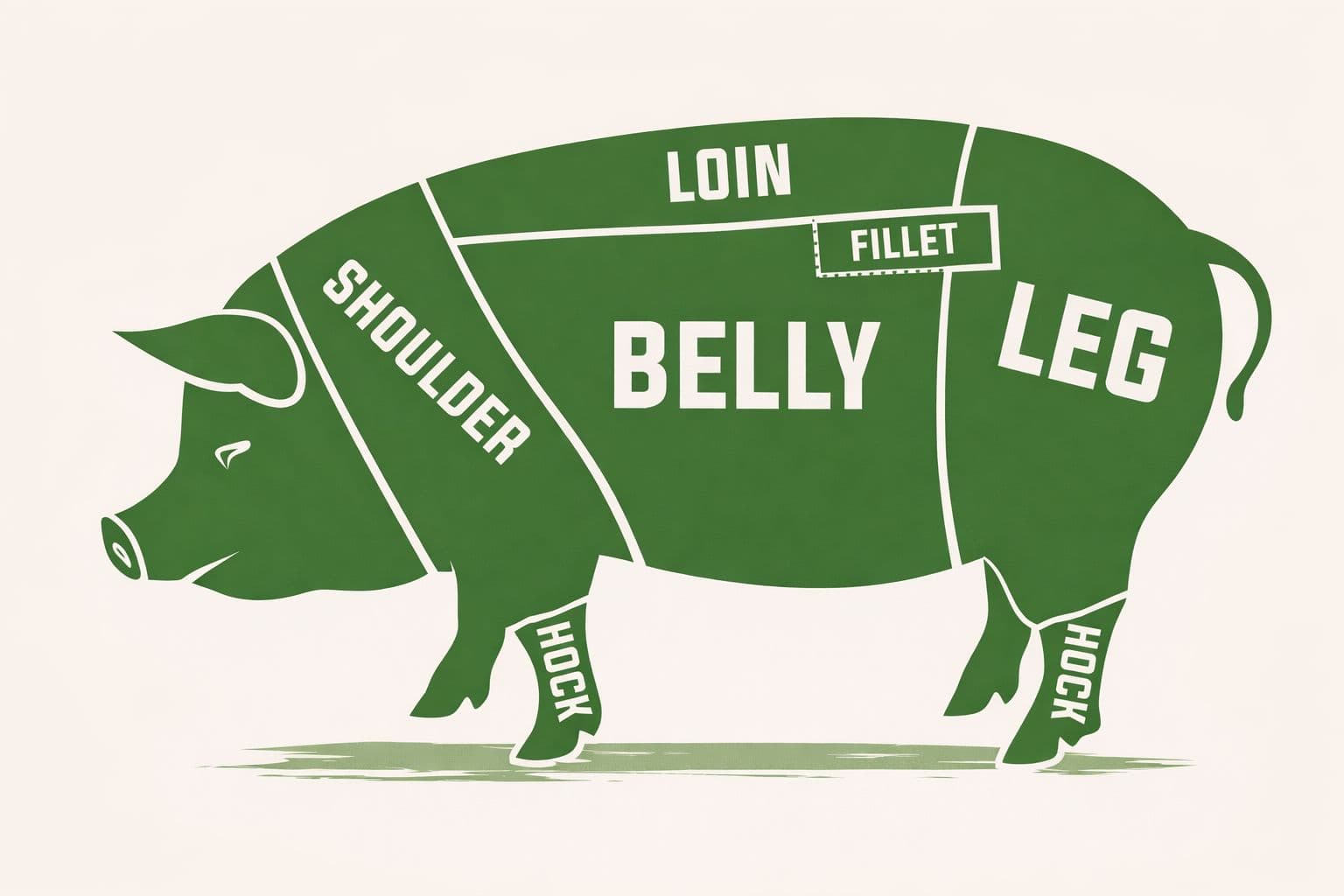
When it comes to cooking pork, the cut you choose makes all the difference. Different pork cuts come from different parts of the animal, and each one has its own texture, flavour and ideal cooking method. Some are naturally lean and tender, perfect for quick midweek meals. Others contain more fat and connective tissue, making them better suited to slow cooking or slow roasting.
Understanding the different types of pork meat helps you cook with confidence. Whether you are planning Sunday roasts, pulled pork, crisp crackling or simple pork chops on the barbecue, knowing how pork cuts behave means better results on the plate.
Working closely with Australian farmers gives us a whole animal perspective. Through Our Cow, pork is prepared and portioned with that mindset in mind. Every cut has a purpose, and every cut can shine when it is cooked the right way.
Understanding Different Pork Cuts
Pork is typically broken down into several major sections, each producing different pork cuts with distinct characteristics. Where the cut comes from on the animal directly affects tenderness, fat content and flavour.
Muscles that work harder during the animal’s life tend to be firmer and contain more connective tissue. These cuts are ideal for slow cooking, where time allows the meat to soften and develop rich flavour. More tender areas, such as the pork loin, are suited to quicker cooking methods like grilling or pan frying.
You will also see pork labelled as rind on, bone in or boneless. Rind on cuts are perfect if you are chasing crisp crackling on a pork roast. Bone in options can add flavour during cooking, while boneless loin makes slicing and serving straightforward.
Major Sections of Pork
Pork shoulder
Taken from the upper front of the animal, pork shoulder contains plenty of connective tissue and fat. It is ideal for slow roasting and is the go to cut for pulled pork.
Pork loin
Running along the back of the animal, pork loin is one o f the lean cuts of pork. It produces pork chops, loin chops and boneless loin roasts that are tender and versatile.
Pork belly
Cut from the underside, pork belly is richer and higher in fat. It is well suited to slow cooking and roasting, especially when cooked rind on for crisp crackling.
Leg
Pork leg produces classic leg roast options. Leaner than shoulder, it is a popular choice for traditional Sunday roasts.
Ribs
Pork ribs come from the side of the animal and are known for flavour. They benefit from slow cooking to become tender and juicy.
Tender & Lean Cuts of Pork
If you are looking for lean cuts of pork, the loin section is your starting point. Pork loin runs along the back of the animal and produces some of the most tender and versatile cuts available. Because this muscle does less work, it is naturally leaner than shoulder or belly and well suited to roasting, grilling or pan frying.
From the loin come pork chops, loin chops and boneless loin roasts. These cuts cook relatively quickly and are ideal for everything from simple weeknight dinners to relaxed barbecues.
Pork tenderloin is another excellent lean option, which comes from a small muscle that sits beneath the loin along the backbone. Because it does very little work, it is naturally tender and cooks quickly, making it ideal for roasting whole or slicing into medallions for fast, simple meals.
If leaner, quicker cooking pork is what you are after, the loin and tenderloin cuts offer reliable, tender results without the heavier fat content of richer sections.
Pork Loin & Loin Chops
Loin chops and boneless loin are among the most popular pork cuts for everyday cooking.
Bone in loin chops tend to hold moisture well and offer slightly deeper flavour. Boneless loin is easy to slice and portion, making it a practical option for family meals. Both respond well to high heat cooking, provided they are not overcooked.
Best Pork Cuts for Different Cooking Methods
Choosing the right pork cut often comes down to how you plan to cook it.
Fat content and connective tissue play a major role. Cuts with more fat and structure benefit from slow cooking, while leaner cuts are better suited to quicker methods.
Best Pork Cuts for Slow Cooking
Pork shoulder is the standout choice for slow cooking. With its higher fat content and connective tissue, it breaks down beautifully over time, making it ideal for pulled pork and slow roasted dishes. Low and steady heat allows the fibres to soften, creating tender, flavourful meat.
Many customers ordering pork through Our Cow choose shoulder for long, relaxed cooks that fill the house with aroma and feed a crowd.
Best Pork Cuts for Roasting
For a classic pork roast, leg and pork loin are strong options. A leg roast offers a leaner slice, while a pork roast with rind on can deliver that sought after crisp crackling. Slow roasting at the right temperature helps keep the meat juicy while the rind transforms into crunchy crackling.
These are the cuts that anchor many Sunday roasts across Australia.
Best Pork Cuts for Grilling & Pan Frying
When cooking over high heat, pork chops and loin chops are excellent choices. They cook quickly and are ideal for barbecues or simple pan fried meals. Belly rashers are another favourite, particularly when cooked until golden and slightly crisp.
The key with these pork cuts is not to overcook them, allowing the meat to stay tender and juicy.
How to Choose the Right Pork Cut
There is no single best cut of pork. The right choice depends on what you are cooking and how you want it to taste.
- If you are after lean cuts of pork for quick meals, look to the loin.
- If you want rich flavour and tenderness from slow cooking, shoulder or belly are better suited.
- If you are planning a traditional roast with crisp crackling, leg or rind on loin are reliable options.
Understanding different pork cuts makes choosing easier. It also helps you make the most of every part of the animal.
That whole animal respect is central to how pork is selected and prepared for Our Cow customers. From farm to table, every cut has its place, whether it is a quick pork chop dinner or a slow cooked feast shared with friends.
Add our Australian free range pork to your next meat box delivery and get the tast iest pork on your fork!
FAQs
What are the different pork cuts?
Common pork cuts include shoulder, loin, belly, leg and ribs. From these sections come pork chops, loin chops, boneless loin roasts, leg roasts and belly rashers. Each cut varies in tenderness and cooking method.
Why is some pork tougher than others?
Cuts from harder working muscles, such as shoulder, contain more connective tissue. These cuts need slow cooking to become tender. Leaner cuts like pork loin are naturally more tender and suited to quicker cooking.
Which cut of pork is best?
There is no single best cut of pork. It depends on the cooking method and flavour you prefer. Loin is ideal for lean, quick cooking. Shoulder is excellent for pulled pork and slow roasting. Leg is a classic for pork roast.
How do you choose the right pork cut?
Start by deciding how you want to cook it. Slow cooking suits shoulder and belly. Roasting suits leg and loin. Grilling suits pork chops and loin chops. Matching the cut to the method delivers the best results.
What is the difference between pork belly and pork loin?
Pork belly is higher in fat and richer in flavour, making it ideal for slow cooking or roasting with crisp crackling. Pork loin is one of the lean cuts of pork, more tender and better suited to roasting, grilling or pan frying.